
Angelo Fabrizio created a small 4-team fall league under the umbrella of the National Adult Baseball Association based out of Colorado. At the time, leagues in the Hudson Valley were suffering from poor leadership and overall quality of play. The goal was to build something better.
- Four teams were recruited in June and July, with play starting in August.
- One of those teams was the Black Sox, which still exists today.
- The Spartans later became the Arsenal and are now better known as the Marlins.
- The Quiet Storm traveled up from New York City every Sunday to play competitive baseball.
- The Bears, led by Mike Sine and Jay Dileo, rounded out the original group. Dileo remains the only still-active player from the very first season.
After teams experienced the structure and competitiveness of the HVNABA, word began to spread quickly. Clubs frustrated by other leagues started knocking on the door, and the league exploded from 4 teams to 12.
- The league opened 2008 with an incredible 12 teams.
- The NL and AL divisions were created to group teams by talent.
- The HVNABA became the first adult league to begin playing at Dutchess Stadium, including regular-season games, the All-Star Game, and the Championship Series.
- The league hosted its first annual Home Run Derby.
- A loyalty and sportsmanship program was introduced, rewarding teams that completed a season without fines, suspensions, or forfeits.
Momentum continued as the HVNABA grew again, reaching 14 teams. Players and teams were excited to be part of a league that felt more organized and more competitive than any they had previously experienced.
- The league opened the 2009 season with 14 teams, its largest total to that point.
- The league saw its first ever Triple Crown winner.
- Dutchess Stadium bookings increased to 14 dates, more than double the total from the league’s earliest years.
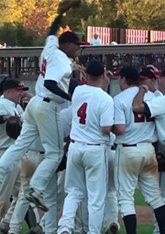
The league climbed to 16 teams and was able to split divisions into the very popular NL East, NL West, AL East, and AL West formats. The Cardinals joined the league after success elsewhere and immediately made a major impact.
- The Cardinals proved age is just a number by winning the HVNABA Championship with an older roster.
- John Barone produced one of the greatest seasons in league history, setting offensive records while winning the Triple Crown.
- The league booked Dutchess Stadium for 34 games during the year.
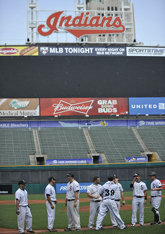
In 2011, the league offered players the opportunity to play at Progressive Field in Cleveland, home of the Cleveland Indians. Teams were given access to the clubhouse, indoor batting cages, and a true professional-style experience.
- The Black Sox, Expos, and Indians made the trip for a memorable day of baseball.
- The trip gave players a once-in-a-lifetime experience they still remember.
- The league also introduced the emergency player concept, helping teams avoid forfeits by allowing last-minute fill-in players when needed.
Over these three seasons, the league floated between 11 and 13 teams. While the total was down from previous highs, the focus shifted toward stabilizing the league, developing players, and strengthening the existing core.
- Teams began adding younger players and rebuilding for a stronger competitive future.
- Recruitment and tryouts helped bring in roughly 30 to 40 brand-new players each year.
- The league saw one dynasty fall, the NY Mariners, while another emerged, the NY Black Sox.
Recognizing the need for better competitive balance, the league introduced a light strength of schedule system. The goal was to reduce blowouts, improve the weekly experience, and help prevent teams from being discouraged by mismatched competition.
- Each team still played a 24-game schedule.
- Teams played one another twice, with the remaining games coming against clubs of similar competition level.
- Competitive balance improved, though the league knew more work still had to be done.
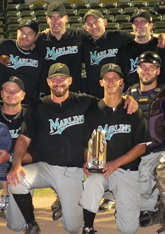
- The #5 seed Marlins showed that anything could happen by defeating the top two seeds and winning the HVNABA Championship.
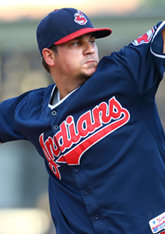
After seeing the benefits of strength of schedule, the league pushed even further to create a true competitive balance. The original division was renamed the Premier Division, and the new Rec Division was launched to provide a better fit for players of different backgrounds and skill levels.
The response was overwhelming. What was expected to be a 4-team division grew to 7 teams in less than two months. Combined with growth in the Premier Division, the league reached 19 total teams.
- The Premier Division grew to 12 teams.
- The Rec Division debuted with 7 teams.
- The league reached 19 teams total, the most ever at the time.
- The league continued building teams through its own marketing, word of mouth, and community presence rather than pulling clubs from rival organizations.
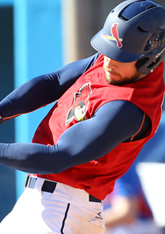
Growth accelerated again. The Premier Division reached a strong and stable 13 teams, while the Rec Division doubled from 6 to 12 teams in only its second year. The league’s footprint and reputation continued to expand rapidly.
- The Premier Division remained stable and highly competitive.
- The Rec Division grew to 12 teams in only its second season.
- The league sent teams to Cooperstown to play at Doubleday Field, adding another memorable milestone to the league experience.
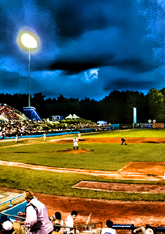
By 2018, the league had reached 16 Premier teams and 16 Rec teams, totaling 32 Sunday division teams alone. Most new teams entered as legitimate contenders, maintaining the HVNABA’s reputation as one of the most competitive adult baseball environments in New York.
- The Sunday divisions alone reached 32 teams.
- The Twilight Division returned and debuted with 6 teams.
- The league returned to Doubleday Field for another Cooperstown weekend.
- Growth continued across Sunday, Twilight, and Fall competition.
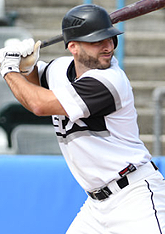
In a major turning point, the HVNABA agreed to run all 17+ divisions in the area while a partner organization continued operating the older 35+ and 45+ groups. The move dramatically expanded the HVNABA’s reach and created more playing options than ever before.
- Four additional Sunday teams and three Twilight teams joined the HVNABA structure.
- The new Intermediate Division was created to sit between Rec and Premier.
- The Westchester Division was introduced, expanding the league’s footprint beyond the Hudson Valley.
- The Sunday program grew to 38 teams, while Twilight reached 10.